Energy efficiency design feature – e-architect
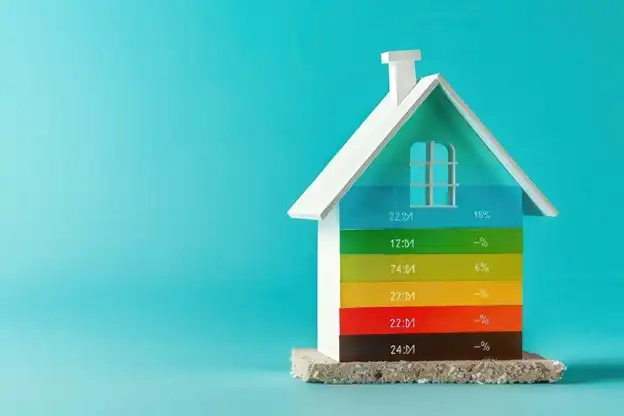
Energy efficiency design feature, Net-zero homes renewable energy, Green property architectural concept design
8 August 2025

Photo credit
When people talk about home design, they usually mean aesthetics. Materials, finishes, natural light. Nobody throws around words like “energy efficiency” at a dinner party. Yet it’s the silent feature that actually dictates your comfort, your costs, and your long-term sanity.
Utility bills are rarely factored in when flipping through glossy renderings, but they show up every single month, like an unwelcome houseguest that refuses to leave. The truth is, your space can be beautiful, but if it bleeds heat in winter and leaks cool air in summer, you’re basically living in an expensive sieve.
The Architecture of Spending Less
Energy efficiency isn’t a single product you can buy. It’s layered into the structure, materials, and systems of your home. Windows are a classic example. A sleek black steel frame might look great, but if it’s not thermally broken, it’s going to conduct heat like a frying pan. Insulation is another. It’s hidden behind walls, but a bad choice here can mean paying a small fortune to compensate with HVAC.
And then there’s orientation. The way a building sits on its site can change the way it uses light, shade, and airflow. Position a home well, and you reduce your need for artificial cooling or heating. Position it poorly, and you’ll be spending more to counteract the mistakes.
Why Architects Should Care About Bills
Architects don’t usually talk about monthly expenses because it feels pedestrian. The focus is on form, concept, and vision. But integrating efficiency into the early design phase can dramatically change the client’s ongoing costs. It’s not just a sustainability angle. It’s a practicality one.
Better windows, smarter layouts, and intentional insulation mean the client’s utility bills will be lower for decades. And that makes your work more valuable in the long run.
Practical Moves Homeowners Can Make
If you’re in an existing property and a full renovation isn’t on the table, smaller interventions still count. LED lighting, smart thermostats, and strategic shading can take pressure off your systems. Replacing old appliances with modern energy-efficient ones is another step that pays back over time.
Even understanding your usage patterns can make a difference. It’s easy to forget how much energy is wasted simply because systems run at full tilt when they don’t need to. Learning where those inefficiencies are can be as valuable as new insulation.
For more specific ways to cut costs without compromising comfort, this guide on lowering your utility bills offers practical strategies.
Windows: The Silent Energy Gatekeepers
Everyone loves a floor-to-ceiling window until the first utility bill arrives in January. Glass is beautiful, but it is also a weak point in the building envelope. High-performance glazing like low-emissivity (Low-E) glass and double or triple panes are not luxury upgrades. They are survival tactics.
Even small details like the type of frame or how it’s installed can swing your bills in either direction. The irony is that the more striking the window, the more critical it is to invest in performance. Design drama without thermal control is basically a glass sculpture that costs you money every month.
HVAC: The System Nobody Brags About
No one has ever walked a guest through their home pointing out the ductwork. HVAC is invisible, which is probably why it’s treated as an afterthought. But the system that quietly circulates your air is one of the biggest drivers of energy use.
An oversized or poorly tuned unit burns through energy and money. Even something as small as upgrading to a smart thermostat can help balance efficiency. Regular maintenance is boring, but so is throwing cash at inefficiency. A well-designed system, paired with smart controls, works in the background, keeping your comfort steady and your bills in check.
The Bottom Line
Energy efficiency isn’t the glamorous part of architecture. It won’t make the cover of a design magazine. But in the real world, the cost of running a home matters as much as the cost of building it.
Design that accounts for efficiency isn’t just sustainable. It’s smart. It’s the kind of work that clients remember years later, when their bills are lower, their comfort is higher, and their home still works as beautifully as it looks.
Comments on this guide to Energy efficiency design feature article are welcome.
Sustainable Architecture
Sustainability Posts
Take action to save our planet
Sustainability in Architectural Research
Risk Considerations for Architects to Achieve Net Zero by 2050
Buying Property
Buying Property Posts
5 step guide on how to find perfect new home
What are main reasons to invest in income property
Benefits of buying a new build
Building Articles
Contemporary Property Articles – architectural selection below:
House designs
Apartment Designs
House extension designs
Comments / photos for the Energy efficiency design feature page welcome
link