How to create a sustainable home

Four energy-saving solutions to discuss with your architect
Solid foundations
By far, the best way to use less energy in our buildings is to use less energy for heating. On average, about 60% of all energy use in homes is for heating.
The important question to ask your architect is, how can my building use less energy? It’s important to look at the fabric of the building first and ask questions like, does it contain enough insulation? Is it built with good air tightness? Insulating your home is like putting on a good jumper – it will keep you comfortable and cost less in fuel bills. If your architect is Passivhaus certified, they will be able to calculate how much energy is needed to heat a building.
Insulation and airtightness
If a building is well insulated and airtight, it’s going to keep you warm with very little energy input. However, many homes such as those from the Victorian era have solid brick walls and are likely to have little insulation at all and be costly to run. Consider how the walls, the roof and the windows can be upgraded for improved energy efficiency. Draughts around doors or windows as well as single glazed or low-quality glazing is going to result in big heat losses.
Electric heating
Having got the building fabric right, either through adding layers of insulation and retrofitting or designing a well-insulated new build, the next question is about systems. Consider whether you can remove gas systems from your home and become all electric, for example by installing a heat pump. Gas boilers are a cause of carbon emissions. The UK electricity grid is already greener and less carbon intensive than the gas grid. Over the coming years, it’s only going to get better as the UK continues to invest in renewables. An all-electric, well insulated building can be more economical to run and is better for the environment.
Natural materials
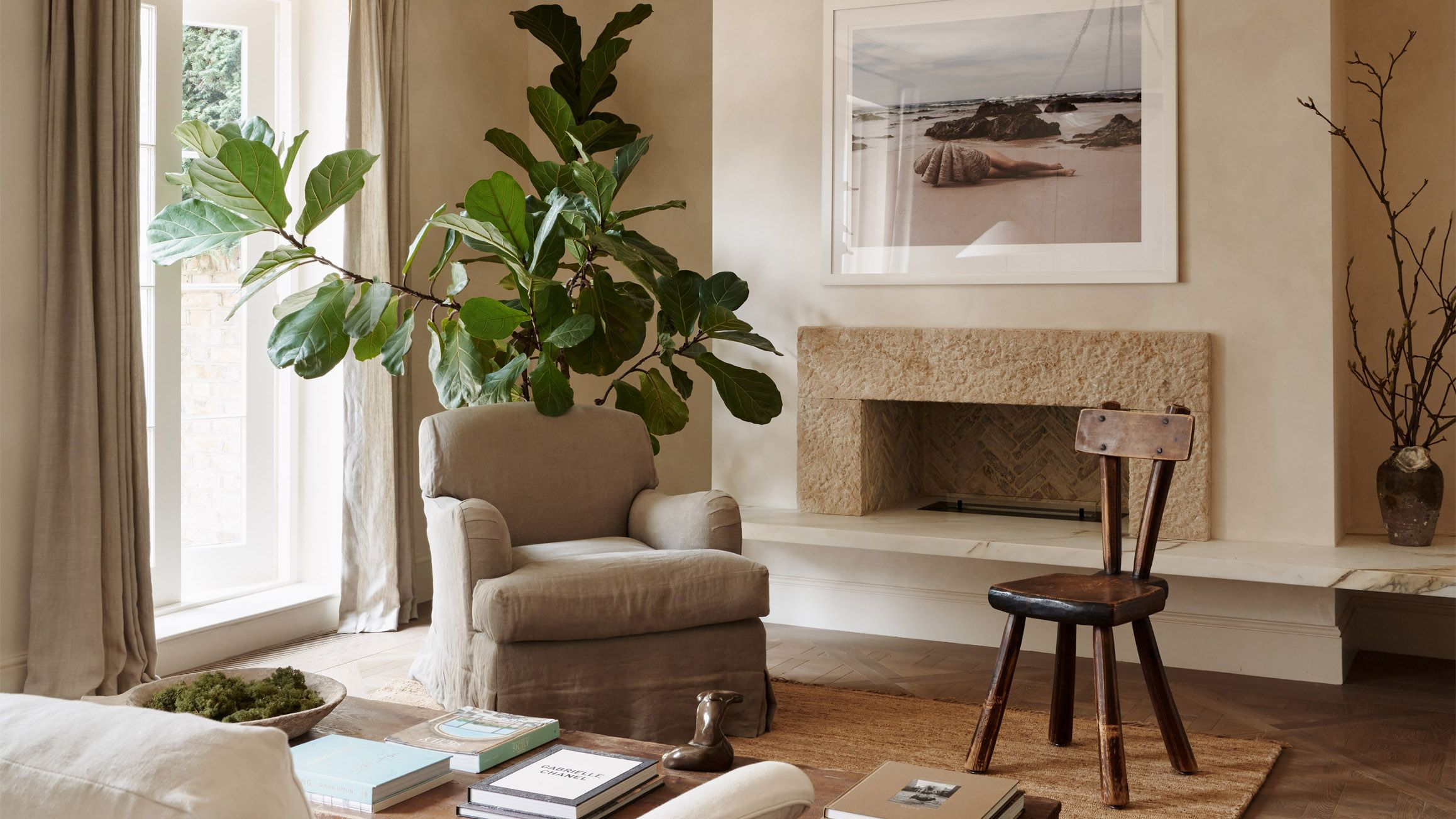
Incorporating natural materials into a project has many benefits; natural materials are often lower in carbon, beautiful and weather well. Natural materials have health benefits too – they can reduce your exposure to chemicals or indoor pollutants and improve the air quality in your home. Ask your architect what sustainable, natural or plant-based material options are available. Look out for sustainability claims that are thoroughly backed-up alongside product declarations too.
In the last few years, we’ve made progress in making our homes more energy efficient, but we’re behind on reducing the carbon impact of our resource consumption. We need to use building materials wisely. Ask your architect if there are alternative material options that have lower embodied carbon.
link