Smart home technology impact on luxury architecture
Smart home technology’s impact on luxury architecture, Domotics design tips, Modern property tech
17 October 2025
The focus of luxury architecture has shifted significantly from elaborate materials and personalized craftsmanship to the flawless incorporation of advanced technology. A key challenge in this transformation is ensuring that technology enhances, rather than detracts from, the home’s design.
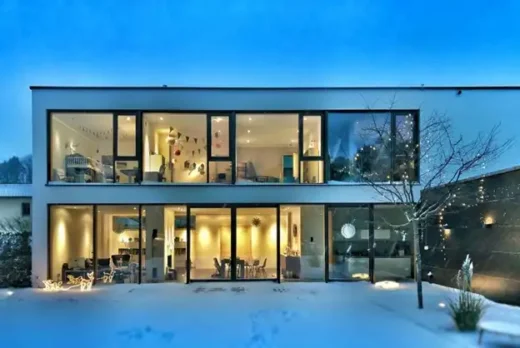
Today’s high-end residences are defined by smart home systems that create intuitive, responsive environments, moving beyond aesthetics to improve functionality. The luxury market now demands homes that not only look stunning but also anticipate and adapt to the needs of their occupants.
Architects and developers must treat connectivity and automation as essential components, equal to structural design and spatial planning. This requires close collaboration between designers, engineers, and technology experts from the outset. As the luxury real estate market, led by firms like The Valerie Fitzgerald Group, continues to move forward, integrated smart technology is a key factor influencing client expectations for the luxury real estate agent.
Redesigning Space and Function
Smart home technology necessitates a radical reevaluation of traditional architectural layouts. The necessity of housing centralized control systems, networking hardware, and extensive wiring demands dedicated, concealed utility spaces. This moves the technology footprint away from living areas.
Designing for Invisible Infrastructure
The challenge for the architect lies in maintaining a clean, minimalist aesthetic while integrating complex systems. This involves meticulous planning for device concealment.
- Sensors for climate, occupancy, and light must be flush-mounted or entirely hidden within wall cavities and ceilings.
- Speakers and audio-visual components are often integrated into architectural elements, utilizing plaster-over grilles or invisible transducer technologies.
- Central processing units, which often use strong systems like Crestron for high-end audio-visual control or the KNX open standard for basic building services, are placed in server rooms.
This planning ensures the home’s intelligence operates silently beneath a veneer of pristine design. The system becomes an intrinsic part of the building fabric, not an addition.
Security and Privacy in Elite Residences
Security technology represents a primary driver of smart home adoption in the luxury sector, focusing on layered, non-invasive protection. Modern systems offer comprehensive surveillance and access control far beyond conventional alarms. The technology delivers peace of mind, a form of true, modern luxury.
Advanced Protection Systems
Contemporary luxury security relies on biometrics, AI-driven surveillance, and sophisticated perimeter defenses. These tools blend high security with a streamlined user experience.
- Biometric access: Fingerprint and facial recognition are integrated into door hardware and gates, replacing physical keys and traditional codes for heightened security.
- AI-powered surveillance: Cameras use machine learning for object recognition, distinguishing residents, vehicles, and pets from genuine threats, thus drastically reducing false alarms.
- Integrated perimeter defense: Geofencing technology automatically arms the security system and locks the house when the last resident leaves a predefined zone, ensuring continuous protection.
Furthermore, protocols like KNX Secure address growing privacy concerns, utilizing advanced encryption to protect the home’s critical data and operational integrity from cyber threats.
Why Sustainable Intelligence Matters
The luxury market’s increasing focus on environmental stewardship has been amplified by the Internet of Things (IoT). Smart systems facilitate precise resource management, transforming large homes into models of ecological efficiency. The integration of technology is now intrinsically linked to the building’s performance envelope.
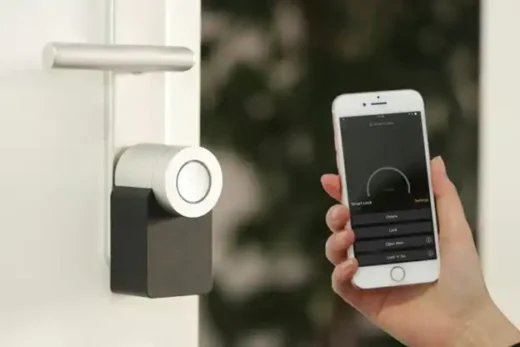
IoT-enabled sensors monitor and adjust energy-consuming systems in real time. This sophisticated control minimizes waste without compromising occupant comfort, meeting the expectations of a discerning clientele. Predictive maintenance systems analyze equipment performance, averting catastrophic failures and maximizing the lifespan of expensive, specialized components.
Smart glass, for instance, utilizes electrochromic technology to adjust its tint automatically based on external light intensity. This dynamic shading reduces solar heat gain, significantly lowering the demand on the Heating, Ventilation, and Air Conditioning (HVAC) systems. IoT integration can reduce a building’s energy consumption by as much as 30 percent, according to one of the studies in the smart building sector.
The Hyper-Personalized Environment
The ultimate expression of luxury automation is the creation of a home that anticipates individual preferences. The system learns the habits and desires of its occupants, adjusting the environment without explicit user input. This results in an unprecedented level of personalized comfort.
Circadian lighting systems automatically tune the color temperature and intensity of illumination throughout the day, aligning the indoor environment with the body’s natural rhythm.
Wellness features extend to air quality, with integrated sensors constantly monitoring Volatile Organic Compounds (VOCs) and particulates. The system triggers advanced filtration and ventilation only when necessary, ensuring a healthy atmosphere.
Voice control has evolved from a simple novelty to a primary interface, seamlessly woven into the architectural acoustics of the space. Strategic microphone placement and sound engineering ensure commands are understood from any point, eliminating the need for visible control devices. This allows the home to respond effortlessly, prioritizing the experience of the resident above all other considerations.
How Smart Technologies Drive Returns
The financial value of smart integration surpasses mere convenience; it constitutes an asset appreciation strategy. High-end buyers now perceive integrated automation as indispensable infrastructure, similar to plumbing or electricity.
Market analysis indicates that homes featuring comprehensive, professionally installed automation systems can command a premium, demonstrably increasing resale value. This premium offsets the considerable initial investment in enterprise-level components.
Future-proofing the structure represents a critical aspect of the design mandate. Architects must incorporate substantial conduit pathways and oversized utility areas to accommodate forthcoming technological advancements. The average lifecycle of control processors and interface hardware is significantly shorter than the structural lifespan of the building itself. Consequently, designs must facilitate painless, noninvasive system upgrades.
Furthermore, professional systems, like those running on Control4 or Crestron, necessitate dedicated maintenance protocols. Specialized integrators manage these systems, offering continuous monitoring and remote diagnostics. This regular maintenance keeps the system running smoothly and safely, which is an ongoing cost that helps maintain the high-end experience.
The reliability of the automation system is paramount; therefore, robust service contracts become an essential component of the luxury home package, securing the client’s long-term satisfaction with the technology.
The Lasting Impact of Smart Home Technology on Luxury Architecture
Smart home technology has permanently changed luxury architecture by integrating advanced systems into timeless designs. Architects now blend cutting-edge technology with classic design principles to create homes that are both beautiful and highly functional. These smart homes adapt to the needs of their inhabitants, enhancing comfort, security, and efficiency.
The concept of luxury has evolved, with emphasis now placed not only on aesthetic appeal but also on a home’s intelligent, invisible performance. This shift ensures that the future of luxury homes is defined by both their design and their technology.
Comments on this guide to Smart Home Technology’s Impact on Luxury Architecture article are welcome.
Smart Home Design
Smart Home Design Articles
Benefits of Building a Smart Home
6 Smart Home Devices Compatible with Amazon Alexa
How Smart Homes Have Changed Architecture
Essential automation devices for your smart home
How growing demand for smart homes changes design
Smart Home Accessories
Building Articles
Residential Property
House Extension Designs
House Designs
Comments / photos for the Smart Home Technology’s Impact on Luxury Architecture page welcome
link