The 12 Smart Home Breakthroughs of 2025 that Define 2026’s Cyberpunk Future
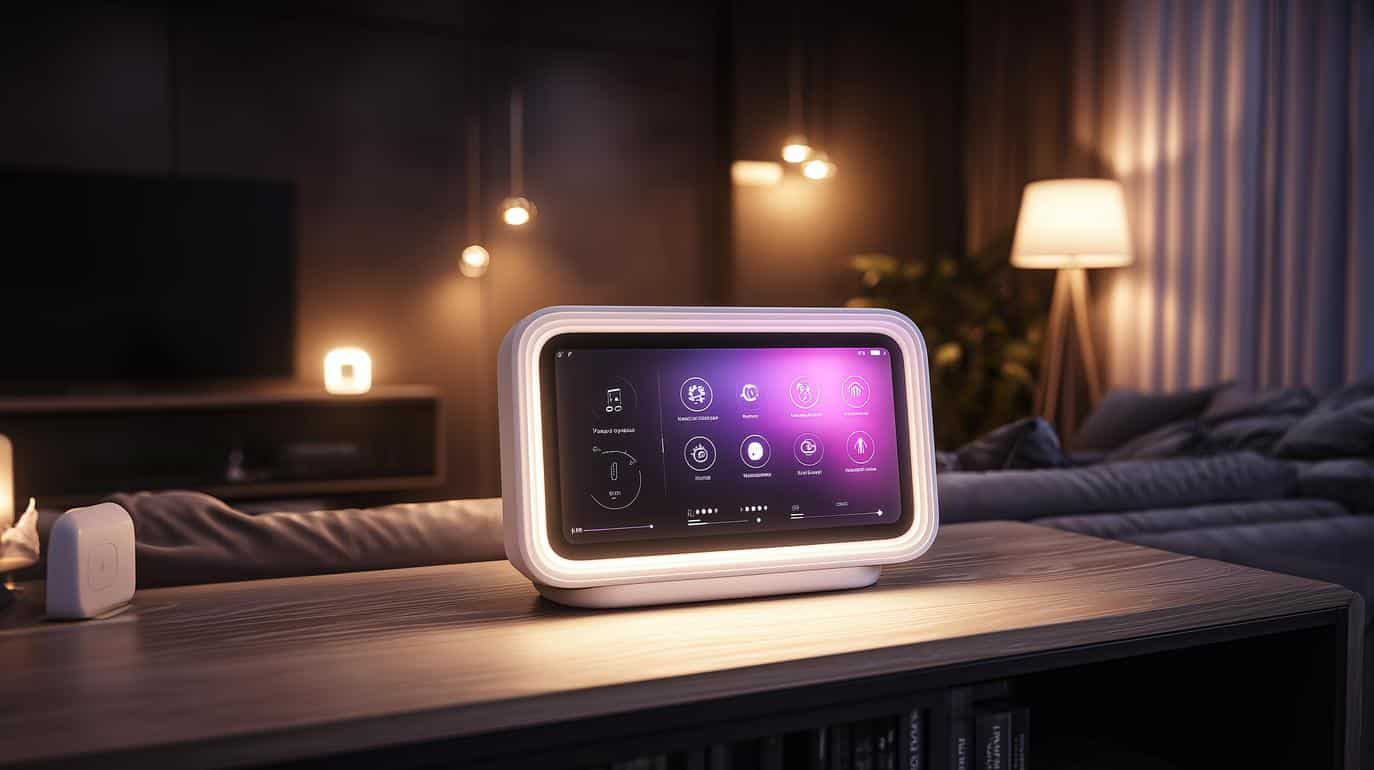
The smart home landscape underwent a seismic shift throughout 2025 as fragmented ecosystems merged into a cohesive digital architecture. Emerging standards replaced proprietary silos, allowing disparate gadgets to function as a singular, responsive unit within the household. High-performance networking and refined interoperability protocols bridged previous gaps, turning technical promises into reliable consumer experiences.
Advancements in Matter 1.5 and Thread 1.4 provided the necessary stability to eliminate the performance issues that previously plagued connected environments. Connectivity became invisible yet robust, supporting a surge in bandwidth-heavy devices like high-definition smart cameras and integrated home energy management systems. Modern installations now treat stability as a fundamental requirement rather than an optional luxury.
Privacy and sustainability took center stage as households prioritized local control over cloud dependency. New AI smart home assistants began anticipating user needs without constant verbal prompting, shifting the focus from manual control to proactive orchestration. These 2025 milestones established a sophisticated foundation for the next wave of future smart home technology in 2026.

1. Matter 1.5 Evolution: Transitioning from Promise to Platform
For years, the Matter standard was a promise of effortless compatibility. In 2025, it finally became a functioning platform. The implementation of security and scalability enhancements provided by Matter 1.4.2 arrived early in the year, adding Wi-Fi-only commissioning to simplify setup and enhance security. The arrival of Matter 1.5 in late 2025 brought official support for cameras, garage doors, and energy management systems, delivering immediate value through interoperable Matter 1.5 standard devices.
The practical implications for the everyday consumer are immediate and transformative. Eliminating the technical friction associated with expanding a digital ecosystem allows for a more versatile installation.
Homeowners can expect several key advantages from this structural shift:
- Reduced frustration during the initial device pairing process.
- Fewer limitations when selecting hardware from different manufacturers.
- Seamless data sharing across previously incompatible platforms.
- Enhanced stability for complex multi-device routines.
This maturity signals a near future where hardware choices are dictated by feature quality rather than brand compatibility. Expect 2026 to expand this foundation further as more brands integrate Matter support into upcoming devices.
2. Cameras Finally Joined the Interoperability Party
One of the biggest pain points in smart home setups has always been cameras. Prior to 2025, managing doorbells, indoor cameras, and security feeds required navigating a fragmented landscape of proprietary applications. With the introduction of standardized camera and energy management specifications, camera integration became possible across ecosystems, allowing a single app or AI assistant to manage feeds from multiple brands.
Beyond simplifying home monitoring, this new standard establishes a more robust framework for personal privacy. Because Matter operates locally when possible, it reduces dependence on cloud processing; this means your footage is less likely to be routed through third-party servers. As more manufacturers adopt the update in 2026, expect smoother camera setup experiences and cross-platform compatibility that genuinely simplifies home security.
3. Thread 1.4 Is the Hidden Fix Behind “My Smart Home Is Flaky”
Thread might not be as flashy as a voice assistant or a robot vacuum, but it’s the invisible backbone of many connected devices. Significant reliability improvements found in the Thread 1.4 protocol tackled the connectivity issues that frustrated many users when it arrived in 2025. One of the most important upgrades was credential sharing, which allows new devices to join an existing network without creating redundant meshes.
Harnessing Thread 1.4 protocol benefits ensures that household responsiveness remains high even as the network expands with more hardware. Reliability is no longer an afterthought but a core performance metric.
The implementation of the 1.4 protocol yields several tangible benefits:
- Significantly fewer device dropouts during peak network usage.
- Faster execution speeds for local-first smart home automations.
- Improved battery longevity for low-power sensors and locks.
- Enhanced self-healing capabilities for mesh network nodes.
By 2026, manufacturers are expected to fully adopt Thread 1.4, making the technology even more stable and consistent across product lines.

4. Wi-Fi 7 Performance: The New High-Speed Smart Home Backbone
The official certification of Wi-Fi 7 became official in 2025, unlocking faster and more reliable wireless performance for households overloaded with smart devices. With features like multi-link operation and wider 320 MHz channels, Wi-Fi 7 delivers low latency and high throughput, essential for homes running dozens of connected products.
For consumers, this translates into smoother streaming and faster responses from AI assistants. It also ensures more stable connections for smart cameras and hubs.
Affordable Wi-Fi 7 mesh systems began appearing in 2025. Consequently, 2026 is poised to be the year when upgrading your router will make your entire smart home feel more responsive and reliable.
5. Alexa+ and Gemini Signaled the Next UX: Talk Less, Automate More
In 2025, both Amazon and Google redefined what an assistant could be. Amazon introduced the generative AI capabilities of Alexa+, which can handle multi-step tasks and understand conversational intent. Meanwhile, sophisticated smart home controls powered by Gemini brought similar capabilities to Google Home, turning voice assistants into true home operators.
Rather than reciting specific phrases like “turn off all the lights,” residents can simply state “I’m going to bed” and trust their AI home orchestrator to execute complex routines. These assistants learn from behavior patterns to anticipate needs without constant input. As reliability and privacy protections improve, 2026 may be the year that home AI feels less like a gadget and more like a trusted digital roommate.
6. Energy Management Graduated from Hobbyist to Household Feature
Smart home energy management transformed from a niche hobby into a mainstream utility in 2025. The expansion of Matter 1.5 to include energy management capabilities allowed devices like smart plugs, thermostats, and appliances to communicate in real time about power use and cost. This lets homeowners monitor consumption and adjust automatically during high-tariff periods.
Sustainability-minded consumers benefit the most. Autonomous systems now handle complex tasks such as charging electric vehicles during off-peak windows or scheduling appliances when grid carbon intensity reaches its lowest point.
As the adoption of cost-effective upgrades to lower energy costs continues to gain popularity, 2026 will likely see more integrated solutions. These systems will merge energy savings with daily comfort and convenience.

7. The Privacy Revolution: Advancing Local Control and Data Security
After years of growing concern over data collection, 2025 marked a shift in how manufacturers handle smart home privacy. The U.S. launched the security standards established by the Cyber Trust Mark, a system meant to help consumers identify devices that meet security and privacy standards. At the same time, debates around cloud processing intensified when reports surfaced that some smart speakers, including Amazon’s Echo line, were removing options to limit cloud data sharing.
These developments pushed awareness of local control and data transparency into the mainstream. Designing a secure smart home system that keeps more control inside your walls is becoming just as important as choosing devices with impressive features.
More consumers now expect devices to process information locally instead of sending everything to remote servers. As 2026 unfolds, privacy is set to become a primary buying factor. This will influence which brands households trust to operate inside their homes.
8. Security Labels and Regulation Started Shaping Buying Decisions
In late 2025, security evolved from a technical afterthought into a primary factor in the consumer purchasing process. The rollout of European regulatory frameworks like the Cyber Resilience Act made product security a visible metric for consumers. These programs require manufacturers to meet baseline encryption, update, and vulnerability response standards.
As consumers learned to look for verified trust labels, brands began marketing devices by emphasizing security grades and update guarantees. This trend is expected to intensify in 2026, leading to smarter, safer products and a long-overdue sense of accountability across the Internet of Things industry.
9. Robot Vacuums Got Smarter, and Standards Made them Easier to Live With
Robot vacuums took a huge leap forward in 2025, evolving from single-purpose cleaning gadgets into integrated home devices. Companies like Roborock Saros Z70 robot vacuum with an arm unveiled advanced models featuring robotic arms and precision navigation. More importantly, standards like Matter 1.4.2 began defining predictable behavior across different brands, ensuring consistent mapping, docking, and command responses.
For everyday users, this means fewer compatibility headaches and smarter automations, especially as automated vacuums redefine modern home maintenance. Imagine your vacuum communicating directly with motion sensors or voice assistants to start cleaning only when no one is home. In 2026, expect broader adoption of these protocols, turning home robotics into a seamless part of everyday living.

10. Unified Control: Why Smart Home Hubs Are Entering the Post-Legacy Era
Smart home hubs, once overloaded with multiple protocols, quietly shifted focus in 2025. Many brands streamlined their ecosystems by dropping older technologies like Z-Wave and consolidating around Thread and Matter. Samsung’s latest SmartThings hubs are a prime example, prioritizing streamlined setup and unified control for a broader device range.
This consolidation benefits consumers by reducing setup confusion and improving reliability. As more manufacturers follow suit, 2026 will see a wave of hubs that serve as efficient, invisible bridges between devices rather than complicated bottlenecks.
11. The Cloud Isn’t Forever, and 2025 Proved It
The vulnerability of cloud-dependent hardware when support ends served as a stark wake-up call for the industry. Consumers realized that their devices could lose functionality overnight if companies shut down servers or abandoned old products.
People began favoring products that continue working without internet access. A growing number of enthusiasts now prioritize hardware designed for local-first smart home setups.
Expect 2026 to bring a major shift in marketing language. Terms like ‘offline-capable’ and ‘self-hosted’ will likely become mainstream selling points.
12. Ambient Intelligence Moved from Sci-Fi to Everyday Sensing
If 2024 was about smart homes reacting to your voice, 2025 was about them reacting to your presence. Advances in millimeter-wave sensors and AI-driven automation gave rise to a new era of ambient intelligence. Devices can now detect occupancy, movement, and even breathing patterns without cameras, making automation more accurate and privacy-friendly.
This facilitates developing context-aware homes through ambient intelligence. As consumers adopt this new level of responsiveness, 2026 may finally be the year when homes feel truly intelligent. Living spaces will intuitively adapt to the specific comfort, safety, and sustainability requirements of their occupants.

Sustaining Innovation Within the Connected Household
Entering the post-legacy era requires a shift in how technology is perceived within living spaces. The breakthroughs of 2025 proved that a smart home is only as resilient as its underlying standards. Prioritizing interoperability ensures that an investment remains functional even if specific manufacturer services fluctuate or vanish.
Core Principles for Building a Future-Ready Digital Ecosystem
Long-term reliability stems from adopting decentralized, local-first smart home setups that safeguard data and ensure uninterrupted operation without cloud dependency. Investing in Matter 1.5 standard devices and optimizing Wi-Fi 7 smart home performance today creates a resilient foundation for the autonomous upgrades arriving in 2026. To build a future-ready setup, consider these five principles when expanding your ecosystem:
- Prioritize Standards: Look for Matter, Thread, and Wi-Fi 7 certification to ensure your devices remain compatible for years.
- Demand Transparency: Choose brands that clearly state how they handle your data and provide ongoing security updates.
- Go Local-First: Favor devices that work offline or maintain functionality without cloud dependence.
- Plan for Energy Efficiency: Integrate smart plugs, thermostats, and appliances that optimize use during low-tariff hours.
- Think Ecosystem Longevity: Avoid buying into closed platforms; invest instead in ecosystems that value interoperability and open updates.
Expert Solutions for a Future-Ready Smart Home
Should I upgrade to a Wi-Fi 7 router now?
Upgrading provides significant benefits for high-density environments where dozens of devices compete for bandwidth. It reduces latency and improves the stability of smart cameras and streaming hardware.
Which devices currently support the Matter 1.5 standard?
Most new smart plugs, locks, and lighting systems now include support, with recent expansions covering cameras and energy management tools.
How can I verify the security of a new device?
Check for the Cyber Trust Mark on packaging to ensure the product meets federal baseline standards for encryption and data transparency.
Will my devices work if the company shuts down its cloud servers?
Local-first devices will continue to function within your home network. Always favor hardware that supports offline control to avoid losing access during service disruptions.
What is the most critical smart home investment for 2026?
A robust, standards-compliant hub that supports both Matter and Thread remains the most important component for long-term reliability.
link